Sacred Geometry Meaning: A Beginner’s Guide
Discover the Sacred Geometry Meaning, explore its spiritual symbolism, historical origins, common geometric patterns, practical uses, and how sacred geometry inspires meditation, personal growth, and a deeper connection with the universe.

Sacred Geometry Meaning: Understanding the Patterns Behind Spiritual Symbolism
Have you ever noticed repeating geometric patterns in flowers, seashells, snowflakes, or even galaxies? Exploring the Sacred Geometry Meaning begins with recognizing that many people see these recurring forms as symbols of harmony, balance, and interconnectedness. Throughout history, sacred geometry has appeared in art, architecture, philosophy, mathematics, and spiritual traditions across cultures….
While mathematics can objectively describe these patterns, many spiritual interpretations are based on tradition, symbolism, and personal belief rather than scientific proof. Understanding both perspectives allows us to appreciate sacred geometry with curiosity and balance.
What Is Sacred Geometry?
Sacred geometry refers to geometric shapes, proportions, and patterns that many traditions consider symbolic of the underlying order of the universe.
Mathematically, these forms describe relationships found in nature, architecture, and design. Spiritually, they are often viewed as reminders of unity, creation, and the interconnectedness of life.
Examples include:
Although different cultures interpret these symbols differently, the common theme is that geometry reflects order and harmony.

Sacred Geometry Meaning in Spiritual Traditions
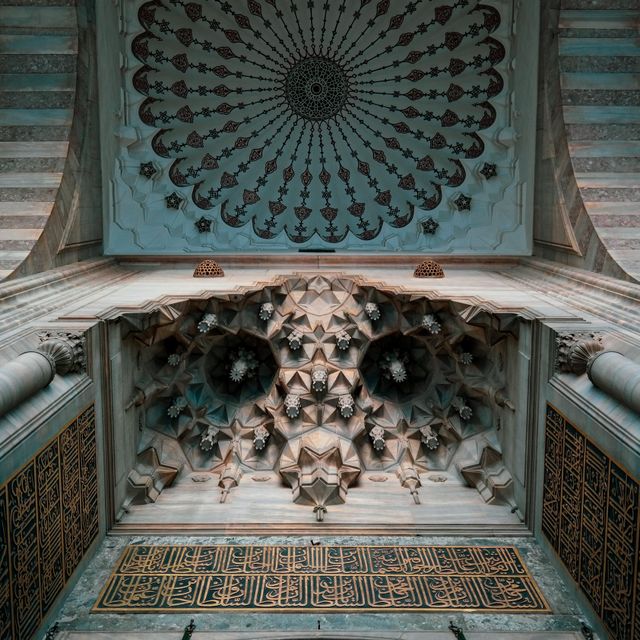
Across civilizations, sacred geometry has represented creation, balance, and divine order.
Different traditions have incorporated geometric symbolism into meditation, temples, artwork, and sacred texts.
| Tradition | Common Interpretation |
|---|---|
| Ancient Egypt | Cosmic order and creation |
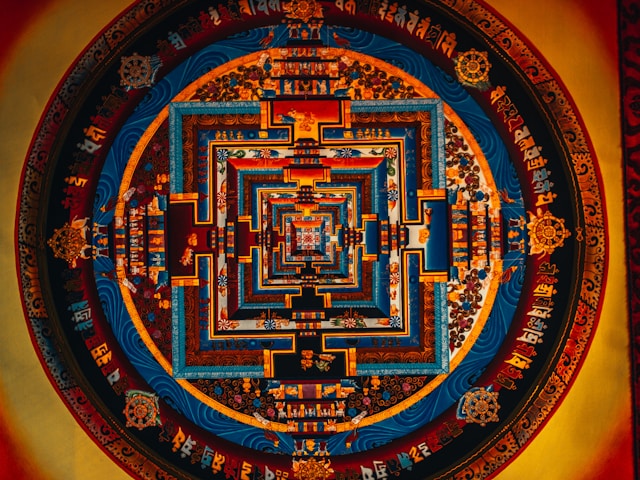
| Hinduism | Mandalas and yantras for meditation |
| Buddhism | Enlightenment and mindfulness |
| Christianity | Symbolic proportions in sacred architecture |
| Greek Philosophy | Mathematical harmony in nature |
These interpretations are spiritual and cultural rather than universally accepted factual explanations.
Sacred Geometry Meaning Through Symbolism
Each geometric figure carries symbolic meaning in various traditions.
Circle
Represents:
- Unity
- Wholeness
- Eternity
- Infinite potential
Triangle
Often symbolizes:
- Balance
- Transformation
- Mind, body, and spirit
Spiral
Associated with:
- Growth
- Evolution
- Life’s journey
- Expansion of consciousness
Hexagon
Found throughout nature, including honeycombs, and often represents efficiency, stability, and cooperation.
The Most Recognized Sacred Geometry Symbols
Flower of Life
The Flower of Life consists of overlapping circles arranged in a symmetrical pattern.
Many spiritual traditions view it as representing:
- Creation
- Unity
- Interconnectedness
- Infinite possibilities
Historically, versions of this pattern appear in artwork from several ancient cultures.
Seed of Life
The Seed of Life is formed by seven overlapping circles.
It is commonly associated with:
- New beginnings
- Creation
- Personal transformation
Metatron’s Cube
Metatron’s Cube combines multiple geometric forms into one intricate design.
Some spiritual traditions associate it with:
- Universal balance
- Protection
- Connection between physical and spiritual realities
These meanings arise from spiritual traditions rather than scientific evidence.
Sacred Geometry in Nature
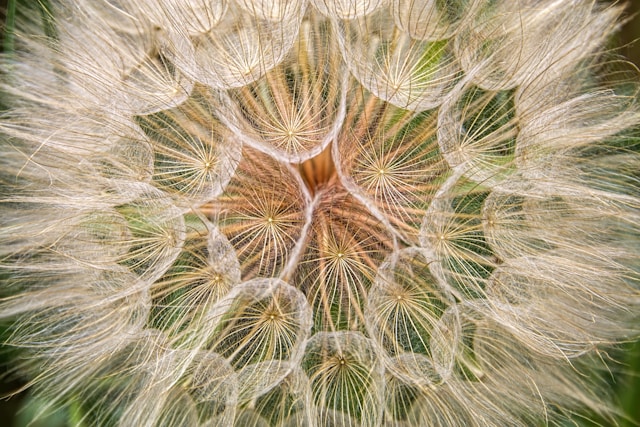
One reason sacred geometry fascinates people is that similar mathematical patterns appear throughout the natural world.
Examples include:
- Sunflowers
- Pinecones
- Seashells
- Snowflakes
- Honeycombs
- Crystal formations
- Hurricanes
- Spiral galaxies
Many of these structures follow mathematical principles such as symmetry, optimization, and growth patterns.
Sacred Geometry and Mathematics
Sacred geometry also intersects with mathematics.
Important concepts include:
Golden Ratio
Approximately 1.618, the Golden Ratio appears in certain natural forms, art, and architecture.
Fibonacci Sequence
This numerical pattern often describes growth arrangements in plants and flowers.
Although these mathematical concepts are well established, claims that they possess specific spiritual energies remain matters of personal belief.
Benefits of Exploring Sacred Geometry
Many people find sacred geometry meaningful because it encourages reflection and mindfulness.
Possible benefits include:
- Greater appreciation for nature
- Enhanced meditation practices
- Increased mindfulness
- Creative inspiration
- Reflection on interconnectedness
- Personal spiritual exploration
Scientific research supports mindfulness practices in general, but there is limited evidence that sacred geometry itself produces unique psychological or physical effects.
Risks and Limitations
Maintaining a balanced perspective is important.
Potential limitations include:
- Spiritual interpretations vary widely.
- Symbol meanings differ between traditions.
- Personal experiences are subjective.
- Extraordinary claims about healing or energy should be approached critically unless supported by reliable evidence.
Sacred geometry can be meaningful without requiring every symbolic interpretation to be objectively proven.
How to Explore Sacred Geometry Mindfully
If you’re interested in learning more, consider these simple steps.
- Observe geometric patterns in nature.
- Study the historical background of common symbols.
- Practice mindful breathing while viewing geometric artwork.
- Journal your reflections and experiences.
- Compare interpretations across different cultures.
- Continue learning with an open and curious mindset.
Common Mistakes
People new to sacred geometry sometimes misunderstand its purpose.
Avoid these common misconceptions:
- Assuming every interpretation is historically universal.
- Believing symbolic meanings are scientifically verified.
- Confusing mathematical facts with spiritual beliefs.
- Overlooking the rich cultural diversity behind these symbols.
Approaching sacred geometry with curiosity rather than certainty encourages deeper understanding.
Expert Insights
Historians, mathematicians, artists, and spiritual teachers often approach sacred geometry from different perspectives.
- Mathematicians appreciate the precision and recurring patterns found in nature.
- Historians study how civilizations incorporated geometry into architecture and art.
- Artists use geometric forms to create balance and harmony.
- Spiritual practitioners use these symbols as tools for meditation and contemplation.
Each perspective adds a unique layer of understanding.
Key Takeaways
- Sacred geometry combines mathematics, symbolism, art, and spirituality.
- Many geometric patterns naturally occur throughout the world.
- Different cultures assign different spiritual meanings to these symbols.
- Mathematical concepts like the Golden Ratio and Fibonacci sequence are evidence-based, while many spiritual interpretations are matters of belief.
- Sacred geometry can inspire mindfulness, creativity, and personal reflection.
Frequently Asked Questions
What is the meaning of sacred geometry?
Sacred geometry refers to geometric patterns that many spiritual traditions associate with harmony, creation, and the interconnectedness of life. While the mathematics behind these patterns is well established, their spiritual meanings depend on cultural and personal beliefs.
Is sacred geometry connected to religion?
Sacred geometry appears in many religious and philosophical traditions, including Hinduism, Buddhism, Christianity, and ancient Egyptian culture. Its symbolism varies across traditions.
Does science support sacred geometry?
Science supports the mathematics underlying many geometric patterns found in nature. However, claims about mystical powers, healing energies, or supernatural effects generally lack strong scientific evidence.
How can beginners learn sacred geometry?
Start by studying basic geometric shapes, observing patterns in nature, learning about historical symbolism, and practicing mindful observation or meditation.
Can sacred geometry help with meditation?
Many people use sacred geometry as a visual focus during meditation. While individuals may find it calming or meaningful, experiences vary from person to person.
Recommended External Resources
- Smithsonian Institution (history and culture)
- National Geographic (nature and science)
- Encyclopaedia Britannica (historical background)
- American Mathematical Society (geometry and mathematics)
Conclusion
Understanding the Sacred Geometry Meaning invites us to appreciate the remarkable relationship between mathematics, nature, art, and spiritual symbolism. Across centuries, geometric forms have inspired architects, philosophers, artists, and spiritual seekers alike.
Whether you view sacred geometry through a scientific lens, a spiritual practice, or an artistic perspective, its enduring appeal lies in its ability to encourage wonder, mindfulness, and reflection. As you continue exploring these timeless patterns, remember that mathematical structures can be objectively studied, while their spiritual significance remains deeply personal. Continue your journey by exploring related resources here on Queen of Lights Church, where you’ll find more articles on sacred healing, meditation, and conscious living
Discover Top stories
- Hatha Yoga Mastery: What Defines It?
- Energy Healing Insight
- Sound Healing Wonders: Soothing Resonance
- Meditation Retreats Near Me: Reconnect With Peace
- Spirited Awakening: Deep Spiritual Exploration
- Spiritualism: Journey Within
- Starter Yoga For Beginners
- Sacred Plant Medicine: For Holistic Health
- Sacred Plant Secrets: Exploring Nature’s Divine Gifts